
In short
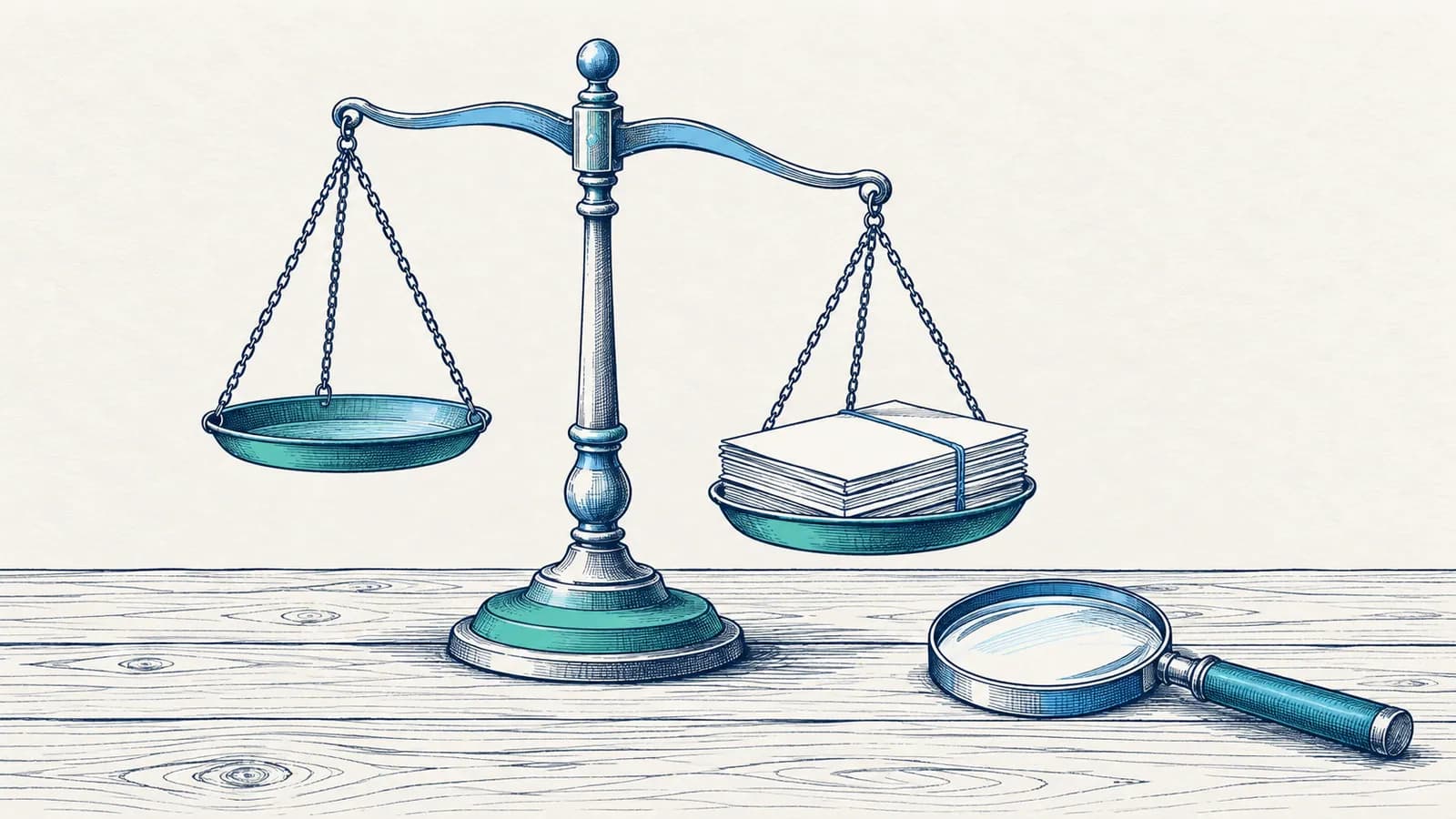
Credibility, in the sense used here, is a quality the USCIS Policy Manual asks of evidence. The Policy Manual describes the evidence that can meet the usual standard of proof as "relevant, probative, and credible." Credible evidence is evidence an officer can believe. It is weighed together with whether the evidence is relevant and whether it has probative value, meaning it actually tends to prove the point.
Also known as: Credible evidence
Where it applies
- The term belongs to the EB-1A, O-1A and EB-2 NIW categories in Merito's own classification. The sources show it in two places. The USCIS Policy Manual chapter on burden and standards of proof describes credible evidence as part of the preponderance of the evidence standard, which it says applies in most administrative immigration proceedings. Matter of Dhanasar, a decision on the national interest waiver in EB-2, repeats the point in a footnote.
- The Policy Manual states that the burden of proof always falls on the benefit requestor and never shifts to USCIS. It also says the standard of proof is the amount of evidence needed to establish eligibility. Credibility is one of the qualities of that evidence. Under this standard, even if there is some doubt, relevant, probative and credible evidence that leads an officer to believe a claim is "probably true" or "more likely than not" satisfies it.
- Dhanasar adds that the quality of evidence matters as well as its quantity. The decision names relevance, probative value and credibility as parts of that quality. Where the Policy Manual says a requestor has not met the standard, it says an officer may request additional evidence, issue a notice of intent to deny, or deny the case. Under 8 CFR 103.3(a)(1)(i), an officer who denies a petition must explain the specific reasons in writing.
How to document it
Evidence of the person's credentials
In Dhanasar the record included "reliable evidence" of the petitioner's credentials, and the AAO treated it as part of the supporting record.
Publications and published material that cite the person's work
Dhanasar lists copies of publications and other published materials that cite the work. These show how others have referred to it.
Published material with its title, date and author
For the EB-1A published-material criterion, the regulation quoted in Kazarian says the evidence shall include the title, date and author of the material and any necessary translation.
Letters from people who establish their own expertise
Dhanasar describes letters from individuals who establish their own expertise, describe the research in detail and attest to the petitioner's expertise. The AAO called the expert letters in that case "probative."
Evidence of membership in professional associations and of research and teaching activities
Dhanasar lists both in the record it reviewed. They show activity in the field that can be checked against other documents.
Evidence of government interest and funding
Dhanasar treats consistent government funding of the research projects and media articles on government interest as corroborating the significance of the work. This kind of evidence comes from outside the petitioner.
Official sources
- USCIS Policy Manual, Volume 1, Part E, Chapter 4 (Burden and Standards of Proof) — accessed October 23, 2026
- Matter of Dhanasar, 26 I&N Dec. 884 (AAO 2016) — accessed October 23, 2026
- 8 CFR 103.3 (denials, appeals and certifications) — accessed October 23, 2026
Use it in Merito
Organize your exhibits in the Evidence BinderLast reviewed October 23, 2026